From Fruit to Glass: Understanding the Juice Processing Journey
Juice may look simple in your glass, but behind every refreshing sip is a careful process that transforms fresh fruits into a smooth, flavorful drink. Juice processing is all about preserving taste, freshness, and nutrients while making juice safe and convenient to enjoy. Let’s take a closer look at how juice is made—from harvest to your table.
1. Harvesting the Fresh Ingredients
The journey begins at the farm. Fruits and vegetables are harvested at peak ripeness to ensure the best flavor and natural sweetness. Timing is important, because produce picked too early or too late can affect the quality of the juice.
2. Washing and Sorting
Once harvested, the produce is thoroughly washed to remove dirt, pesticides, and impurities. Damaged or unripe pieces are sorted out so only high-quality fruits and vegetables move forward in the process.
3. Cutting and Crushing
The clean produce is then peeled, chopped, or crushed, depending on the type of juice being made. This step helps release the natural juices and prepares the fruits or vegetables for extraction.
4. Juice Extraction
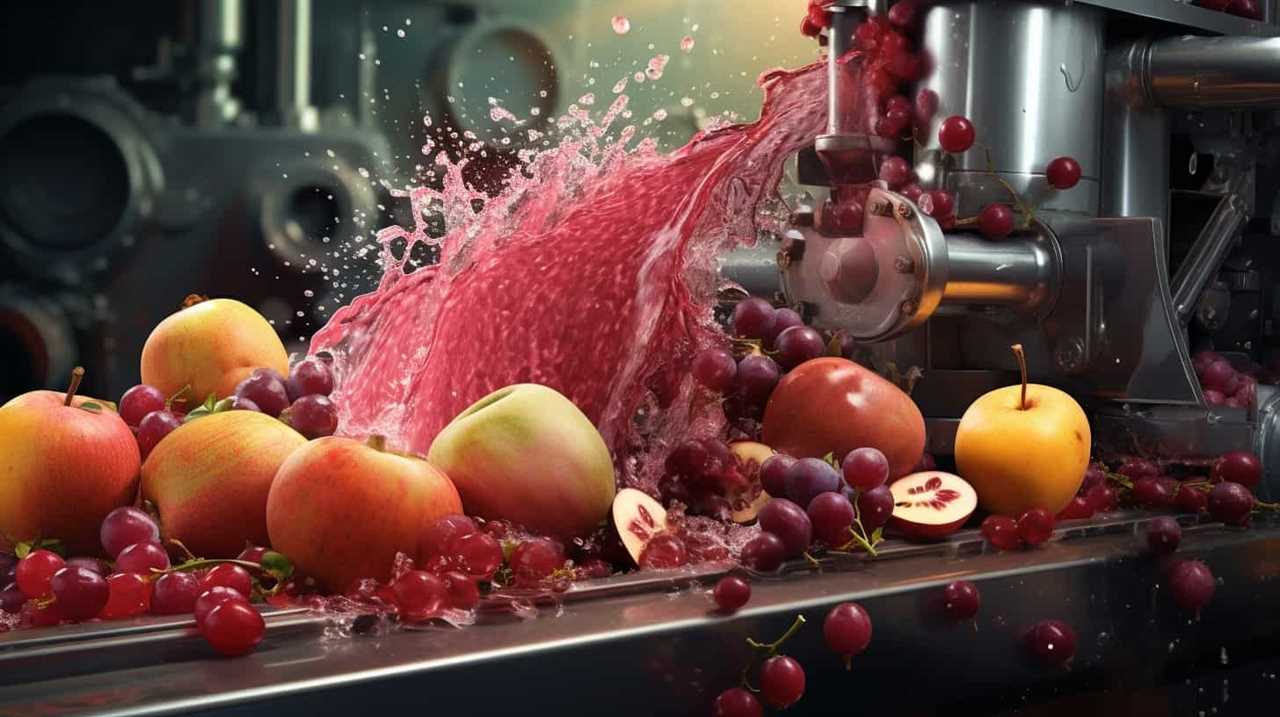
Extraction is where the magic happens. The crushed produce is pressed or squeezed to separate the liquid from the pulp. Different methods—such as cold pressing or mechanical pressing—are used to maintain flavor and freshness.
5. Filtration and Blending
After extraction, the juice may be filtered to remove excess pulp for a smoother texture. Some juices are blended with other fruit or vegetable juices to create balanced flavors and consistent quality.
6. Pasteurization or Preservation
To make juice safe for consumption and extend shelf life, it often undergoes pasteurization or other gentle preservation methods. This step reduces harmful microorganisms while keeping the juice enjoyable and refreshing.
7. Bottling and Packaging
The final juice is poured into clean, sealed bottles or cartons. Proper packaging protects the juice from light and air, helping maintain its taste and quality until it reaches consumers.
8. Storage and Distribution
Once packaged, juices are stored under controlled conditions and distributed to stores or directly to customers. Temperature control during this stage is key to maintaining freshness.
Why Juice Processing Matters
Juice processing ensures consistency, safety, and convenience. It allows people to enjoy fruit and vegetable flavors year-round, even when certain produce is out of season.